
July 2026
Tackling the Next Emissions Frontier: Tyres, Brakes and the Road Surface
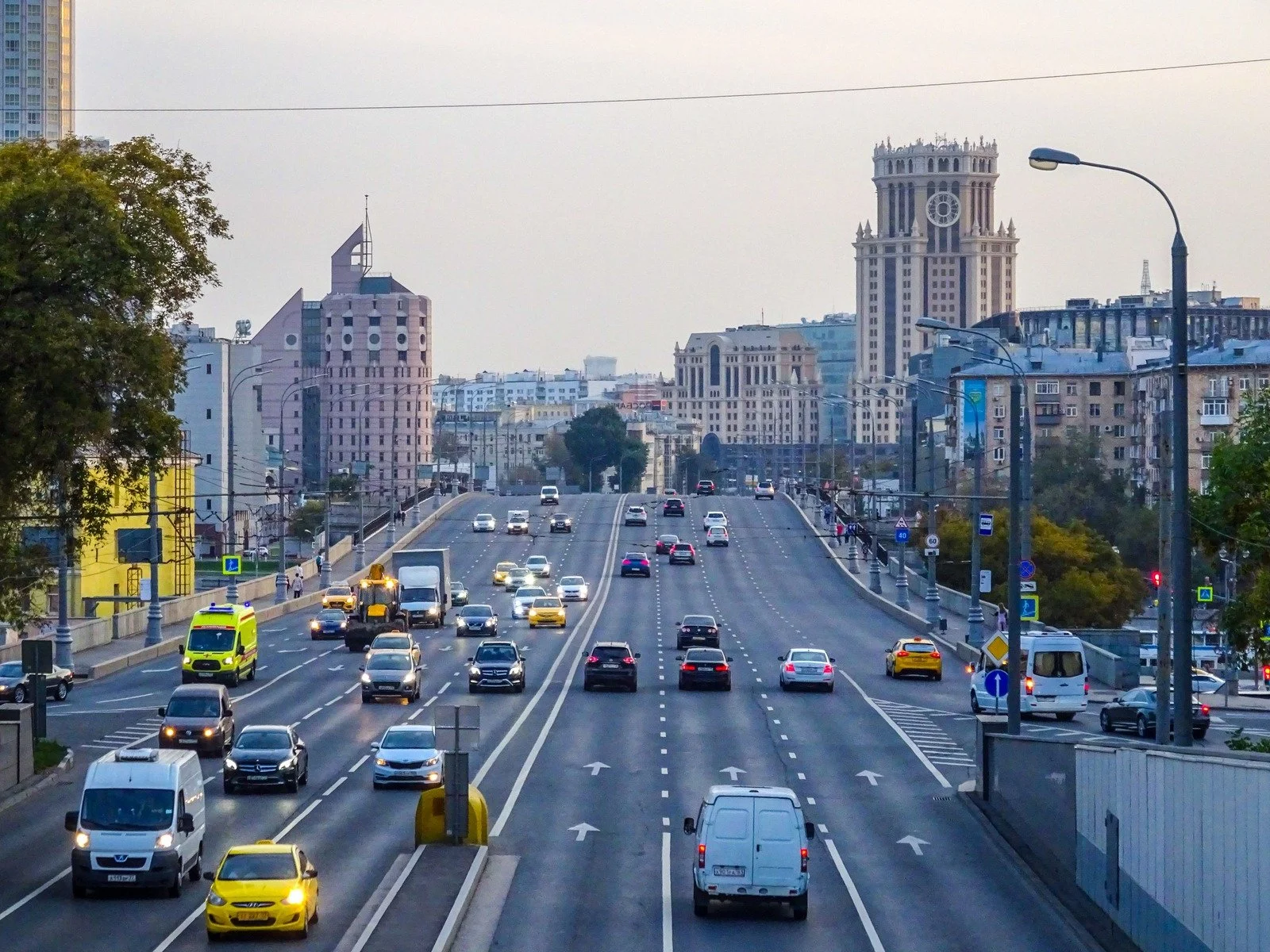
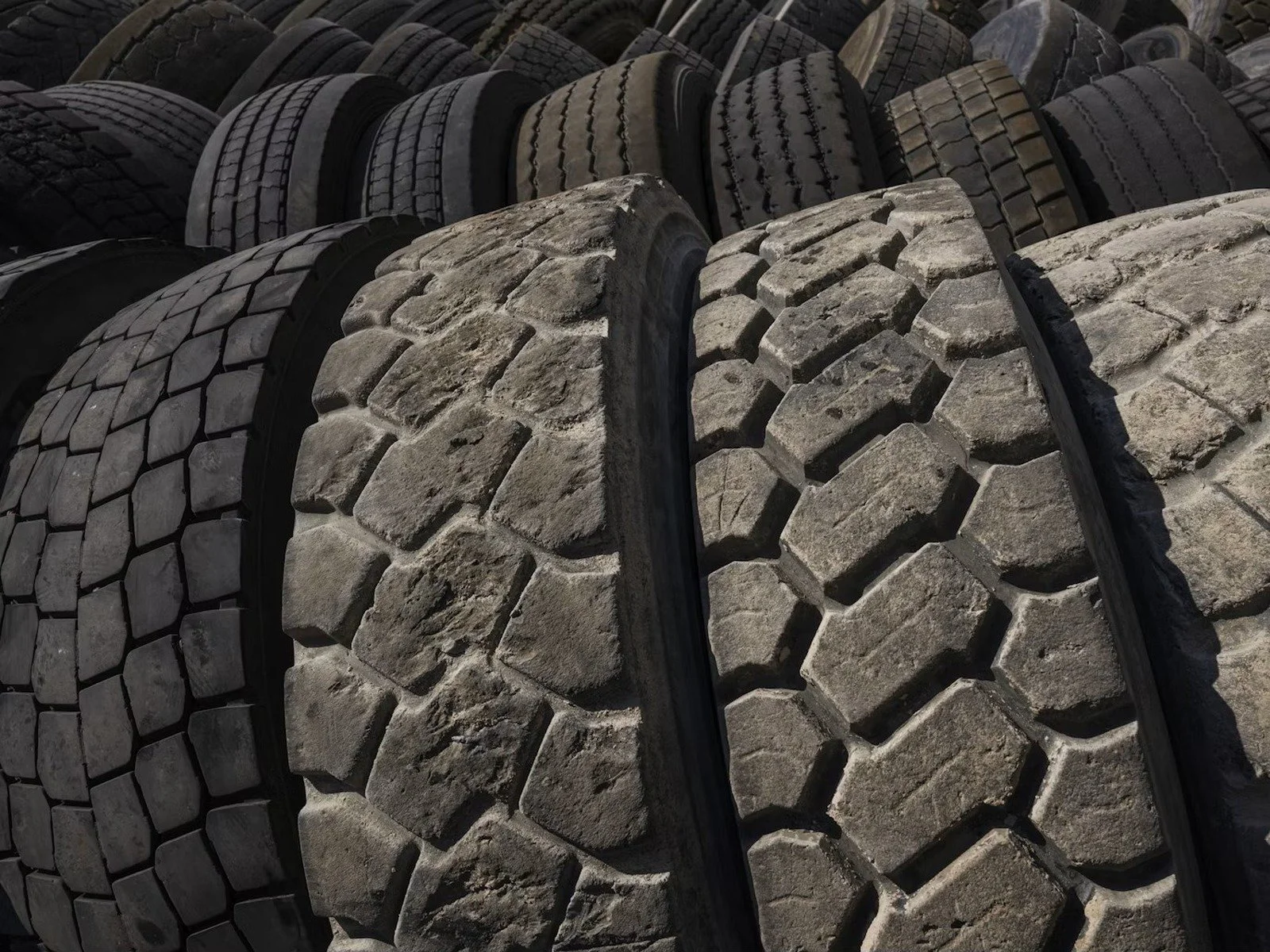
As electric vehicles take exhaust pipes out of the emissions conversation, a harder question moves to the front of the queue: what's coming off the tyres, the brakes, the road surface itself?
Non exhaust particulate emissions — the dust generated simply by driving, regardless of what's under the bonnet — are fast becoming one of the most important unresolved problems in transport and environmental research. Studies across several major European cities have found that non exhaust sources already account for the majority of traffic related particulate pollution, contributing an estimated 68–88% of PM10 and up to 78% of PM2.5 from road transport. The regulatory response is already taking shape: Euro 7 introduces the first EU-wide brake particulate limits from November 2026, with tyre abrasion limits for new tyre types following from 2028. Yet unlike exhaust emissions, non exhaust particulates are notoriously difficult to generate, capture and measure with any consistency.
Electrification complicates the picture rather than resolving it. Regenerative braking in EVs cuts brake wear emissions substantially, but the added weight of battery packs — EVs typically run around 20% heavier than equivalent combustion vehicles — pushes tyre wear in the opposite direction. The net effect on overall particulate output depends heavily on vehicle design, driving conditions and road surface, which is precisely why controlled, repeatable testing matters.
Over the past several months, our team has been quietly researching that problem, working through the approaches needed to generate and characterise particulate matter reliably under controlled laboratory conditions. We've been investigating portable, enclosed test architectures capable of replicating real operating conditions: realistic loading, transient events, representative surface interactions. Alongside that, we've looked at how high performance drive and control systems could reproduce genuine torque, speed and thermal behaviour, rather than rough approximations of it.
We've also explored adaptable, reconfigurable control setups paired with data acquisition frameworks designed to support repeatable, high quality datasets — plus sealed particulate environments suited to atmospheric and health impact studies.
The result is a body of research pointing toward a lab scale capability for generating and characterising particulate matter under controlled conditions — shaped around the questions this next phase of the sector is going to keep asking, against a regulatory timeline that is now fixed rather than hypothetical.
If your research or industrial programme touches particulate generation, emissions testing, or controlled environmental studies, we'd welcome the conversation.
Sources:
InterRegs, EU Euro 7 Emissions Regulation Published — interregs.com
Air Quality News, Brake wear particles the greatest health threat from road transport emissions — airqualitynews.com